
The modern workspace is undergoing a dramatic transformation. Today’s coworking environments are no longer just shared offices with free coffee and high-speed internet. They’ve evolved into dynamic ecosystems where innovation, networking, and even entertainment converge. Some forward-thinking startups are pushing boundaries by integrating unexpected elements into their coworking models, including gaming lounges and even casino-style entertainment zones. For professionals interested in exploring the world of online gaming, platforms like Legjobbkaszino.org provide comprehensive expert reviews of casino sites, helping users make informed decisions about where to play. This intersection of professional productivity and recreational gaming represents a fascinating shift in how we conceptualize work-life integration in the 21st century.
The Evolution of Coworking Spaces
The first wave of coworking spaces emerged in the early 2000s, primarily serving freelancers and remote workers seeking affordable alternatives to traditional offices. These spaces offered basic amenities: desks, chairs, meeting rooms, and reliable WiFi. However, as the startup culture exploded globally, coworking spaces began to differentiate themselves through unique value propositions.
Today’s next-generation coworking spaces function as comprehensive business incubators. They provide not just physical infrastructure but also mentorship programs, investor networking events, skill-building workshops, and even mental health support. The philosophy has shifted from merely offering a place to work to creating holistic environments that nurture both professional growth and personal well-being.
Innovation Hubs: Where Ideas Come to Life
Modern coworking spaces have become genuine innovation laboratories. Unlike traditional offices where employees work within rigid departmental silos, these new environments encourage cross-pollination of ideas across industries and disciplines. A software developer might find themselves brainstorming with a fashion designer, leading to unexpected collaborations and breakthrough concepts.
Many coworking spaces now feature specialized zones designed to facilitate different types of work:
- Quiet zones for deep focus and concentration
- Collaboration areas with modular furniture for team projects
- Maker spaces equipped with 3D printers and prototyping tools
- Podcast studios for content creators
- Wellness rooms for meditation and relaxation
- Gaming lounges for mental breaks and team bonding
This diversification acknowledges that productivity isn’t linear and that creative breakthroughs often happen when professionals step away from their primary tasks. The integration of entertainment elements, including gaming facilities, serves a dual purpose: providing necessary mental breaks while also creating opportunities for informal networking.
The Gamification of Professional Environments
One of the most intriguing trends in new-generation coworking spaces is the incorporation of gamification elements. Some spaces have introduced point systems where members earn rewards for attending events, completing projects, or helping fellow coworkers. Others have installed arcade games, virtual reality stations, and even poker tables in their common areas.
This approach isn’t merely about fun—it’s grounded in solid psychological research. Studies show that regular breaks involving enjoyable activities can significantly boost productivity and creativity. Gaming, whether video games or traditional casino games, requires strategic thinking, risk assessment, and decision-making skills that translate well to business contexts.
Bridging Traditional and Digital Entertainment: The Budapest Casino Scene
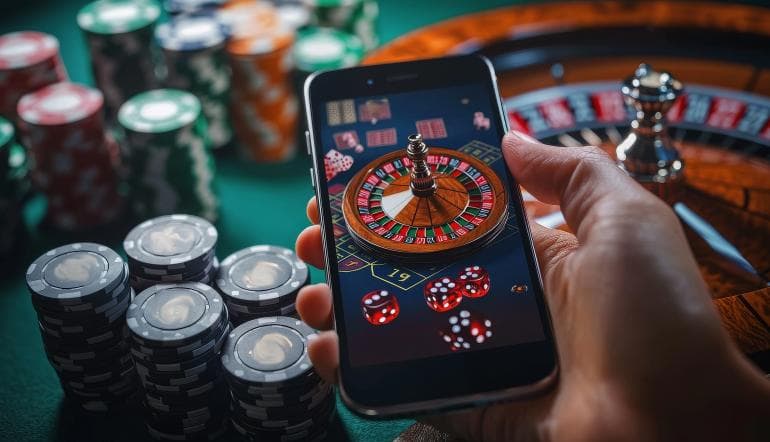
The concept of integrating casino-style entertainment into professional spaces finds interesting parallels in established gaming destinations like Budapest. The Hungarian capital has long been known for its vibrant casino culture, with numerous venues offering traditional gaming experiences. Local establishments such as Las Vegas Casino Corvin, Las Vegas Casino Atlantis, Las Vegas Casino Sofitel, Tropicana Casino, and Las Vegas Casino Atrium EuroCenter provide diverse options for those seeking land-based gaming entertainment. Outside Budapest, venues like Sopron, Win Gyor, Onyx, and Grand Casino continue to attract visitors seeking traditional casino experiences.
However, the digital revolution has transformed how people engage with casino entertainment. For those interested in exploring online options, casino Budapest enthusiasts can now access both local and international platforms from their coworking spaces or homes. Hungarian national online casinos such as Vegas Casino, Grand Casino, and Kaszino.hu operate under SZTFH regulation, ensuring a secure environment for domestic players. Additionally, numerous reliable international casinos hold licenses from respected regulatory bodies including the Malta Gaming Authority, Curaçao, Anjouan, Kahnawake, and others, providing Hungarian players with diverse and trusted gaming options.
This dual ecosystem—traditional land-based venues and regulated online platforms—demonstrates how entertainment and professional life are becoming increasingly fluid. Some innovative coworking spaces have begun incorporating this model, offering members access to both physical gaming areas and digital entertainment platforms during their downtime.
Technology Integration: The Backbone of Modern Coworking
The success of next-generation coworking spaces relies heavily on sophisticated technology infrastructure. Smart building systems control lighting, temperature, and air quality to optimize productivity. Booking systems allow members to reserve desks, meeting rooms, and amenities through mobile apps. High-speed fiber-optic connections ensure seamless video conferencing and cloud-based collaboration.
Some spaces have gone further by implementing:
- Blockchain-based membership systems for secure access control
- AI-powered networking algorithms that suggest potential collaborators based on skills and interests
- IoT sensors that track space utilization and optimize layouts
- Virtual reality meeting rooms for remote collaboration with international partners
The Psychology of Work-Play Integration
The integration of gaming and entertainment into professional environments might seem counterintuitive, but it reflects evolving understanding of human psychology and productivity. The traditional model of separating work and leisure into distinct time blocks and physical spaces is giving way to a more integrated approach.
Research in organizational psychology suggests that environments offering varied stimuli and opportunities for mental breaks can enhance overall productivity. When professionals have permission to step away from intense focus and engage in enjoyable activities—whether that’s a ping-pong game, a quick online casino session, or a virtual reality experience—they return to their work refreshed and often with fresh perspectives.
This approach also addresses the growing concern about burnout among startup founders and tech workers. By normalizing breaks and play within the workspace, these environments combat the toxic “always-on” culture that has characterized much of startup culture.
Challenges and Considerations
Despite the promise of these innovative coworking models, they’re not without challenges. Integrating entertainment elements, particularly gaming and casino-style activities, requires careful management to prevent distraction from becoming the norm rather than a productive break.
Space operators must establish clear guidelines around appropriate use of entertainment facilities. Some implement time restrictions, ensuring gaming areas are primarily used during breaks rather than core working hours. Others use gamification systems that reward productivity with entertainment credits, creating a balanced incentive structure.
There are also regulatory considerations, particularly when it comes to casino-style gaming. Spaces must ensure they comply with local gambling laws, which often distinguish between skill-based games and chance-based gambling. Many opt for skill-based games or use casino-style entertainment purely for social gaming without real money involved.
The Future of Integrated Workspaces
Looking ahead, the boundaries between work, innovation, and entertainment will likely continue to blur. We can expect to see coworking spaces that function as true lifestyle hubs, offering not just work facilities but also accommodation, dining, fitness, entertainment, and social spaces—all within a single ecosystem.
Emerging technologies will play a crucial role in this evolution. Virtual and augmented reality could create immersive work environments where physical location becomes irrelevant. Artificial intelligence might personalize workspace configurations based on individual productivity patterns. Blockchain technology could enable decentralized autonomous organizations (DAOs) where coworking spaces are collectively owned and governed by their members.
The integration of online casino elements and gaming will likely become more sophisticated, with spaces potentially partnering with regulated gaming platforms to offer members exclusive experiences or tournaments that combine networking with entertainment.
Conclusion
The new generation of coworking spaces represents far more than a real estate trend. They embody a fundamental reimagining of how we approach work, creativity, and professional development. By integrating diverse elements—from cutting-edge technology to recreational gaming—these spaces acknowledge that professionals are whole people with varied needs and interests.
The inclusion of entertainment options, including casino-style gaming, isn’t frivolous but rather a recognition that breaks, play, and social interaction are essential components of sustainable productivity and innovation. As these models continue to evolve and prove their value, we can expect traditional workplaces to adopt similar approaches, ultimately transforming the entire landscape of professional life.
For startups and established companies alike, the message is clear: the future of work isn’t about working harder or longer—it’s about creating environments that nurture human potential in all its dimensions.